

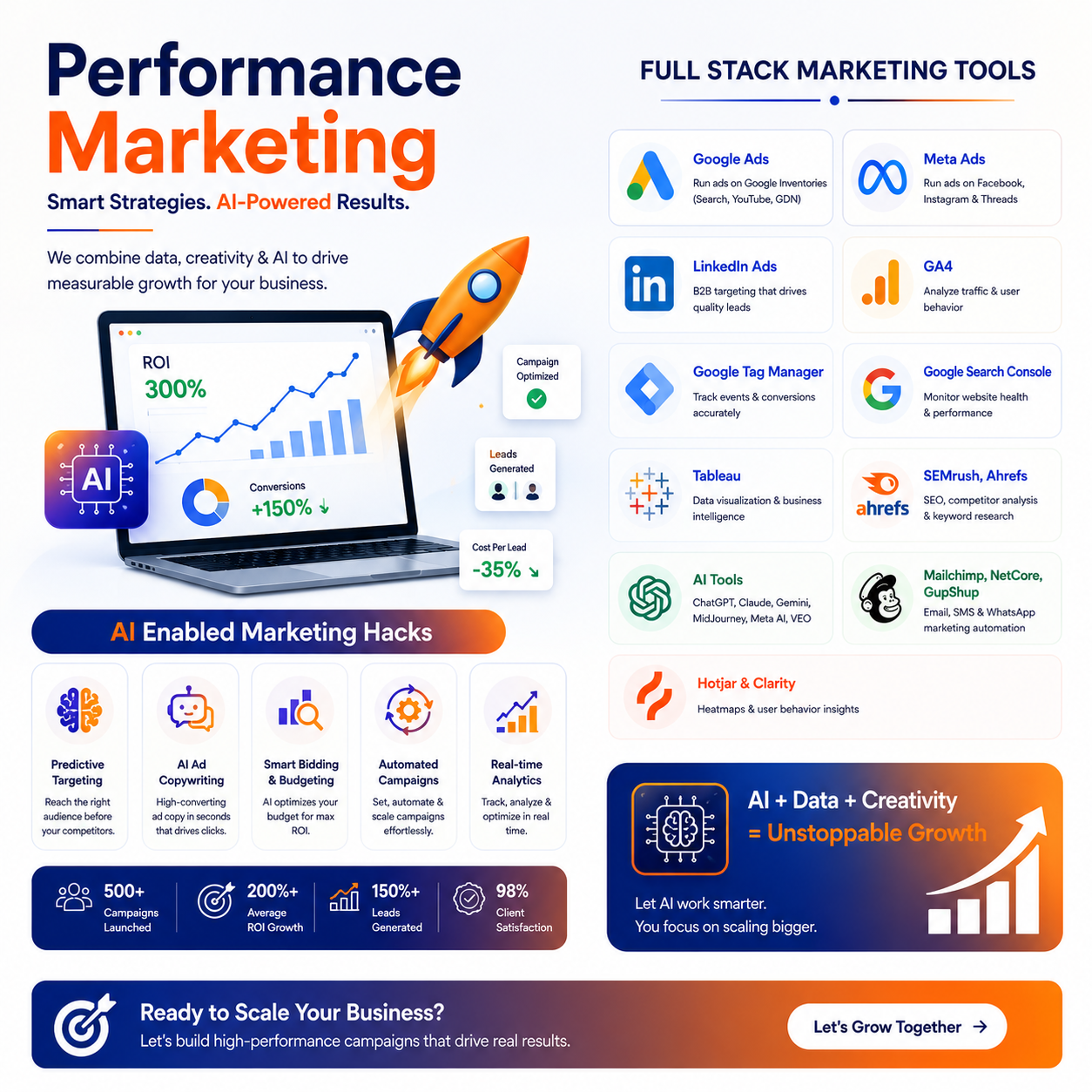
Every year, businesses spend real money on websites that look impressive in a pitch deck and do almost nothing once they’re live. The design is polished, the colors are on-brand, the homepage animates beautifully on load — and yet visitors bounce, forms go unfilled, and traffic never turns into revenue. After years of watching this pattern repeat, the reason is almost always the same: the site was designed to impress, not to perform.
Good website design and development isn’t about how a site looks in isolation. It’s about how well it moves a visitor from curiosity to action — and that starts long before anyone opens a design tool.
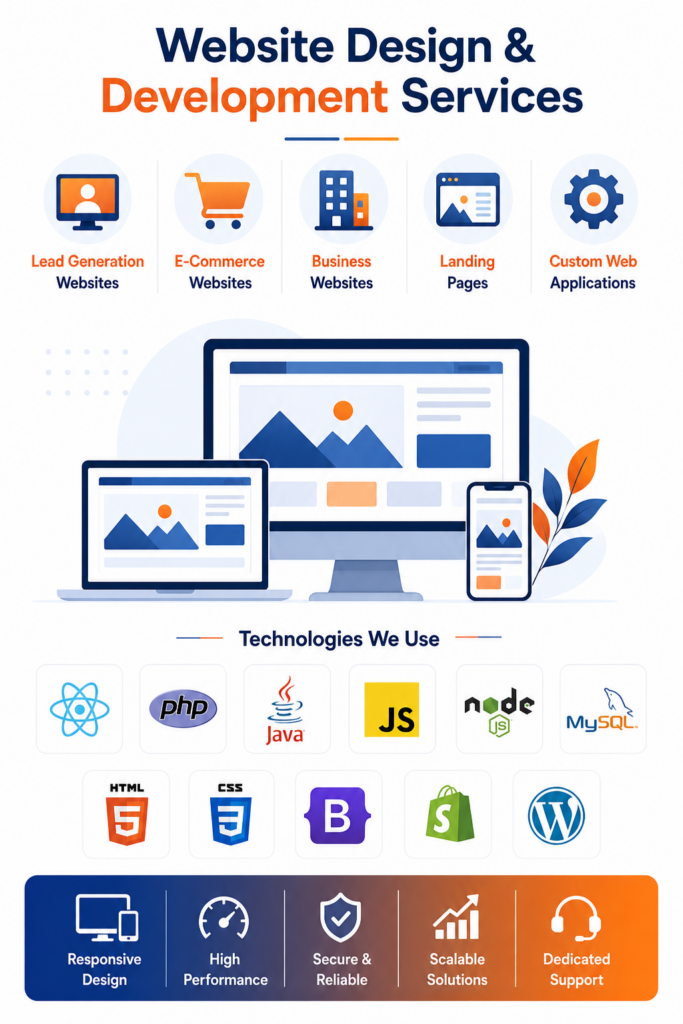
Strategy has to come before pixels. A site’s structure, user flow, and page hierarchy need to be mapped around what a visitor is actually trying to do, not what looks visually balanced. Skip this step, and even a beautiful design ends up fighting against user intent instead of guiding it.
Technology choices matter more than most businesses realize. A site built on outdated architecture will always struggle with speed, scalability, and search visibility — no matter how good the design layer looks. Modern frameworks like React and Next.js, paired with headless CMS architecture, aren’t just technical preferences; they directly affect how fast a page loads and how well it ranks.
SEO can’t be bolted on after launch. Structured content, clean site architecture, and technical optimization need to be part of development from day one as best SEO practice to improve website performance. — not a fix applied months later once traffic already isn’t showing up.
The businesses that get real value from their websites aren’t the ones with the flashiest design. They’re the ones where design, development, and strategy were never treated as separate stages to begin with.